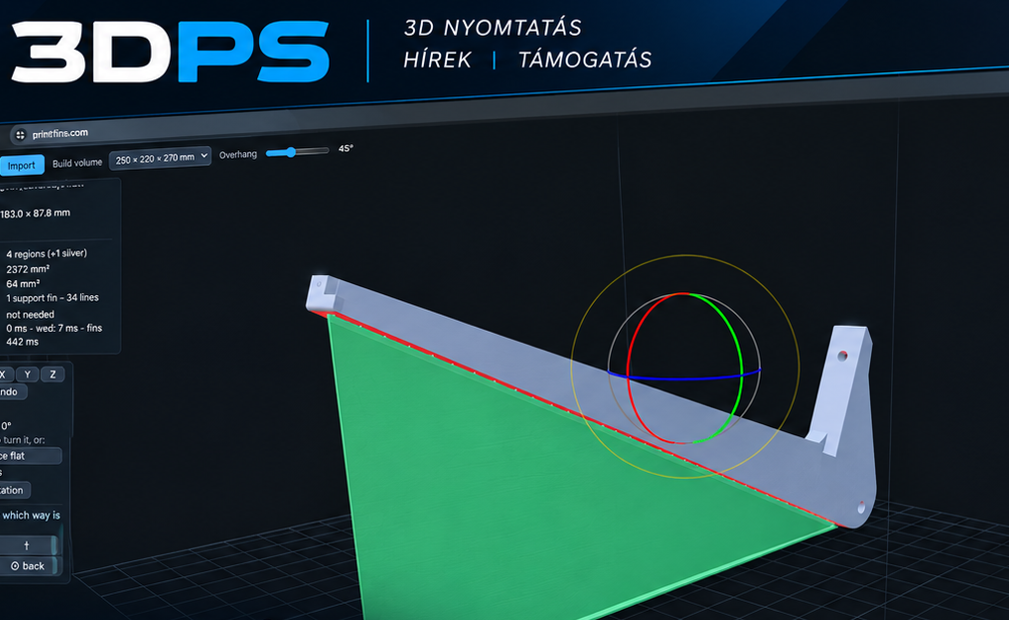
Support Fins: Breakaway Supports Baked Directly into the STL
An open-source browser tool adds breakaway “fins” to overhangs directly in the geometry, allowing the resulting model to be sliced with supports disabled.
Read more
An open-source browser tool adds breakaway “fins” to overhangs directly in the geometry, allowing the resulting model to be sliced with supports disabled.
Read more
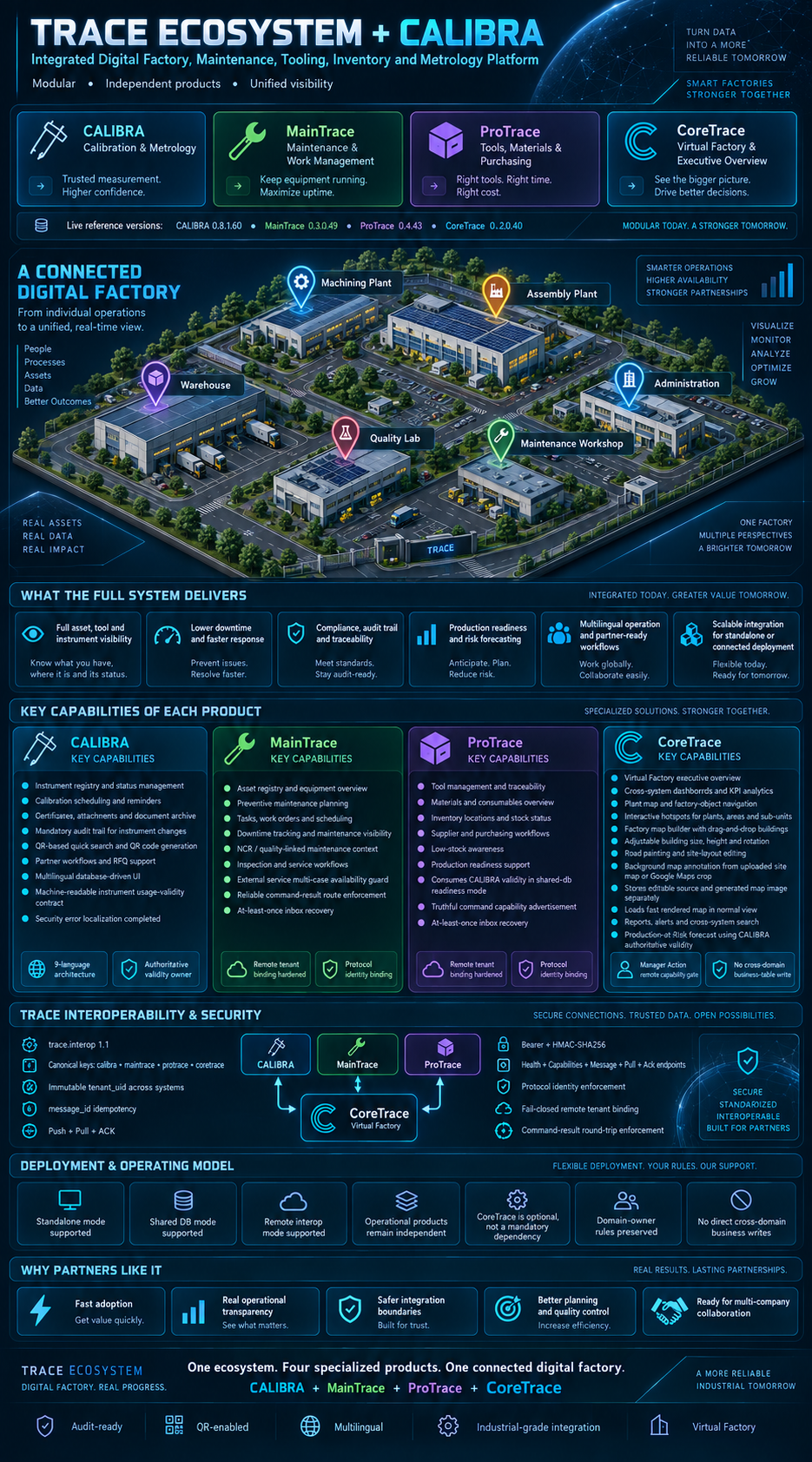
TRACE Ecosystem + CALIBRA connects metrology, maintenance, tools and materials, production readiness and the Virtual Factory concept through four specialized industrial systems that can operate independently or together.
Read more
KPI features have been added. CALIBRA – Measurem Why do KPIs matter in measurement equipment management? Because data becomes truly useful only when it helps you see where attention is needed and how performance changes over time.
Read more
Parkside Multi Charger: Controller Architecture for the Basic and Pro Versions Development of the Parkside Multi Charger has entered a new stage. During the latest planning phase, several controller and power-switching architectures were compared to find a solution that keeps the Basic version easy to build while leaving enough room for the more advanced Pro model.
Read more
Parkside Multi Charger – New Development Milestone Development of the Parkside Multi Charger continues to make steady progress. Recent work has focused not only on hardware and software development but also on establishing the project's public identity and communication. The project currently consists of two separate development branches: Parkside Multi Charger (Normal) and Parkside Multi Charger Pro.
Read more
Anycubic Kobra 3 Toolhead Project – Another Milestone: Successful Firmware Backup and Preparing for a CAN-Based Toolboard Today marked another major milestone in the Anycubic Kobra 3 Toolhead project. Our objective is not to modify or preserve the original firmware. Instead, we are developing a completely custom firmware that will transform the factory controller board into a Klipper-compatible CAN Tool MCU with only minimal hardware modifications.
Read more
Quantum Cyber has completed installation of an 80-machine 3D printing farm in Connecticut, targeting drone components and related production work.
A joint University of Twente and Radboudumc project is developing a patient-specific implant intended to offer a less invasive treatment for ankle cartilage damage.
Researchers at Washington State University have developed a customizable electronic skin combining 3D scanning, SLA printing, pressure and temperature sensing, and neural-network calibration.
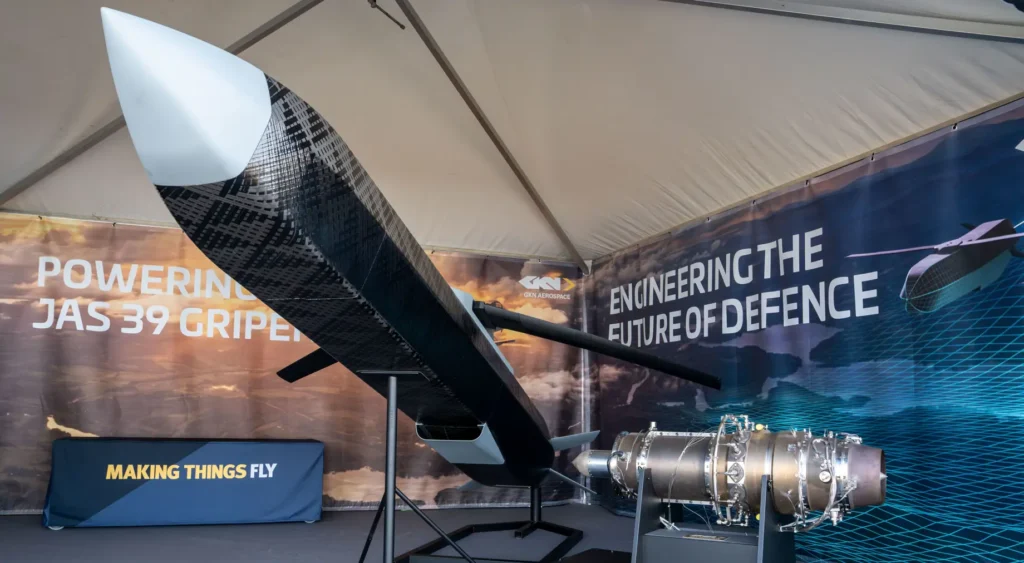
GKN Aerospace has demonstrated a UAV platform using an additively manufactured engine. The project shows how 3D printing in aerospace is moving beyond brackets and ducts toward core propulsion hardware.
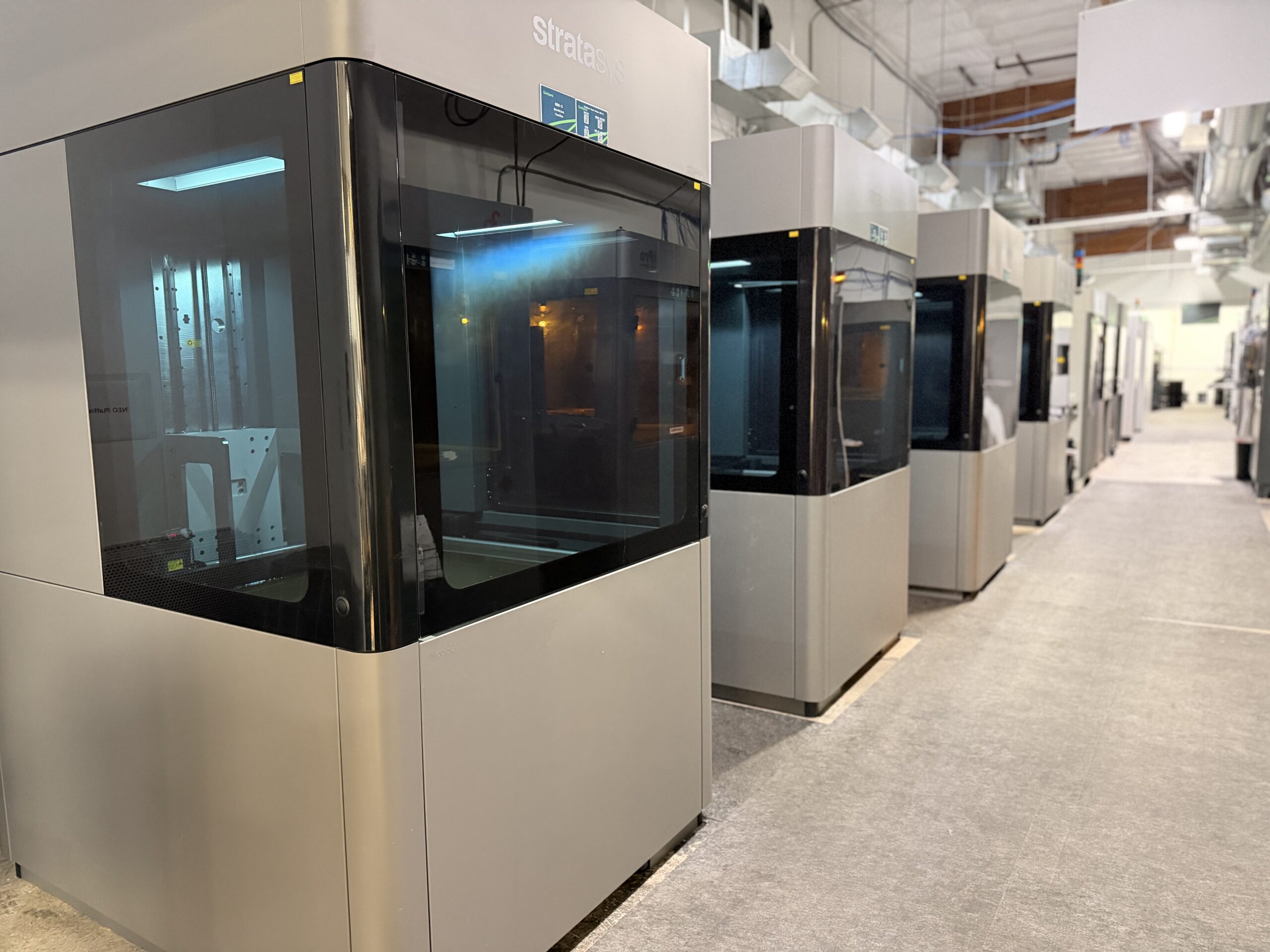
Quickparts is building a multi-country additive manufacturing network designed to reproduce the same qualified parts across different locations with consistent quality.
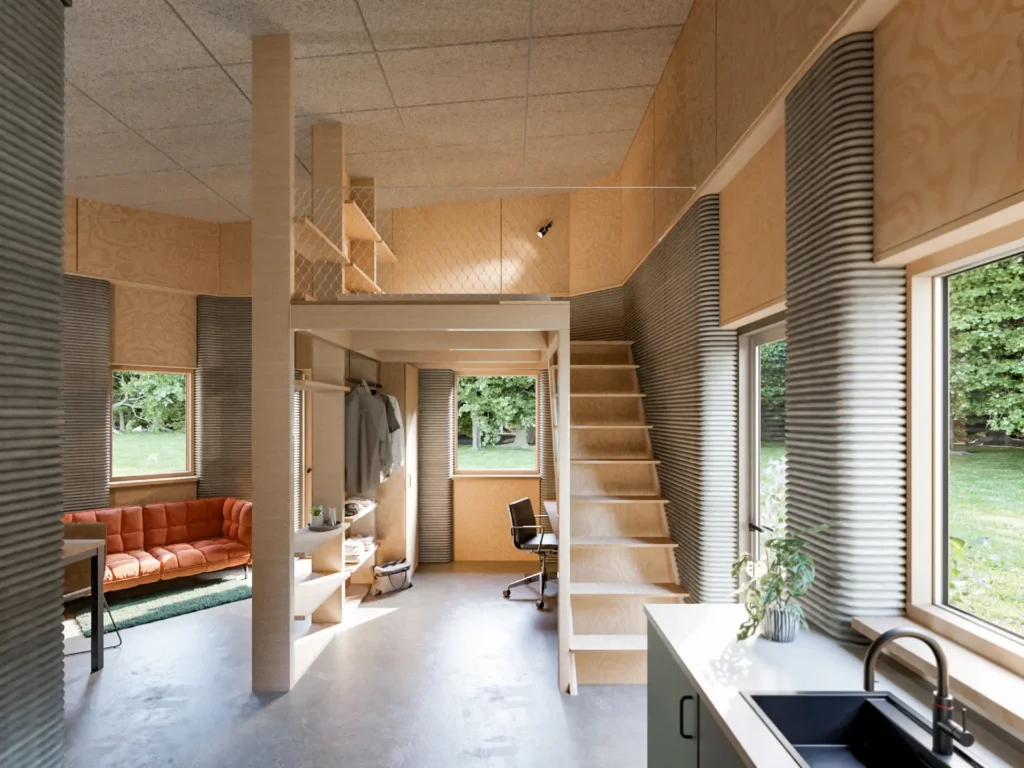
Denmark’s 3DCP Group has completed 36 student housing units using additive construction technology in the Skovsporet project in Holstebro. The significance is scale: this is a real residential development rather than a single demonstration house.
Mastrex has introduced a six-machine metal laser powder bed fusion range, with the entry model reportedly starting around $39,000 – an unusually low price point for LPBF hardware.
In his latest CNC Kitchen test, Stefan Hermann compares two similarly priced laser-line 3D scanners on real engineering parts, examining accuracy, detail and day-to-day usability.
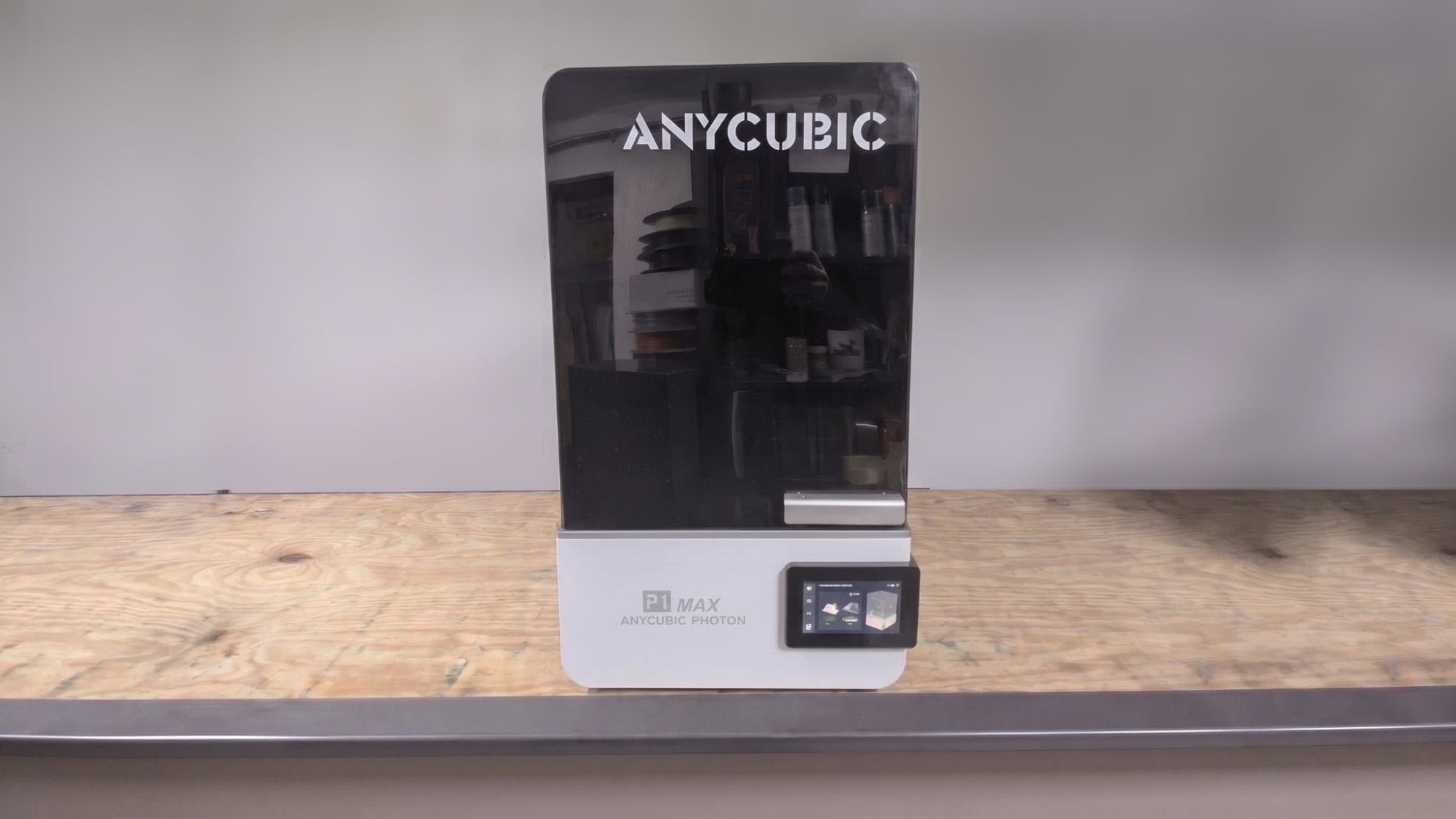
A fresh Tom’s Hardware review finds that the Anycubic Photon P1 MAX aims to move up the resin-printer market by combining a larger build area with more automation and convenience features.
Prusa has introduced a new translucent PLA family designed for its ColorMix workflow. The goal is to create up to 45 different color shades from five base spools using halftoning on multi-color printers.